Keynotes
Two talks. One argument.
Both come from the same place: you do not need the destination, you need the direction, and the moving is what makes the rest clear. What changes is the room, and what that room is stuck on.
Keynote one · Corporate, sales & leadership
Maximum Velocity
How to find direction, rebuild momentum, and get moving again.
Every organization has people in it who used to have a step and have lost it. They are not lazy and they have not stopped caring. They have stopped moving, and somewhere in there the motivation went with the movement.
The usual response is to try to make them feel something. Bring in energy. Run a contest. Give the speech about wanting it more. It works for about four days, because feelings were never the lever.
Chris makes a different case. Motivation is mostly a by-product. You rebuild it the way you rebuild anything: by doing a small specific thing today, then another one tomorrow, until the evidence changes how you feel. Before that, you reconnect with the two things that decide whether the movement is worth anything, which are who you are and what you will not trade away.
You do not rebuild momentum by waiting for someone else to make you feel motivated.
What the room takes away
Written as outcomes, not slides.
01
Why the motivation left, in plain terms
Naming it accurately is most of the relief. People assume something is wrong with them. Usually something is just stalled.
02
A restart that survives a bad week
Momentum built on small specific action rather than on mood. Mood is not a strategy and everybody in the room already knows it.
03
The line between what they control and what they don’t
Market, competitors, timing, leadership. Some of it is genuinely real. None of it is the part they can act on before lunch.
04
Principles that make speed survivable
Honesty, diligence, responsibility, consistency. Framed as operating advantages, not as a sermon.
05
Permission to change the destination
Adjusting course is not quitting. Teams that cannot tell those apart tend to defend a plan long after it stopped working.
06
One thing to actually do this week
Make the call. Follow up. Go to the event. Help somebody. Small and specific beats large and inspiring every time.
Especially for field organizations
He has been inside this one.
Chris has spent more than a decade in the executive suite of a health and wellness company built on a large direct sales field organization, first as Chief Compliance Officer and now as Chief Legal Officer. He has watched what a slow quarter does to a good person, and he has sat in the rooms where leadership tried to fix it with volume.
So the talk does not condescend to a field audience and it does not pretend to be a recruiting pitch. No income claims, no hype about the opportunity, nothing anybody has to apologize for afterwards. It speaks to the person who has stopped doing the handful of things that used to work, and who mostly needs a reason to start again.
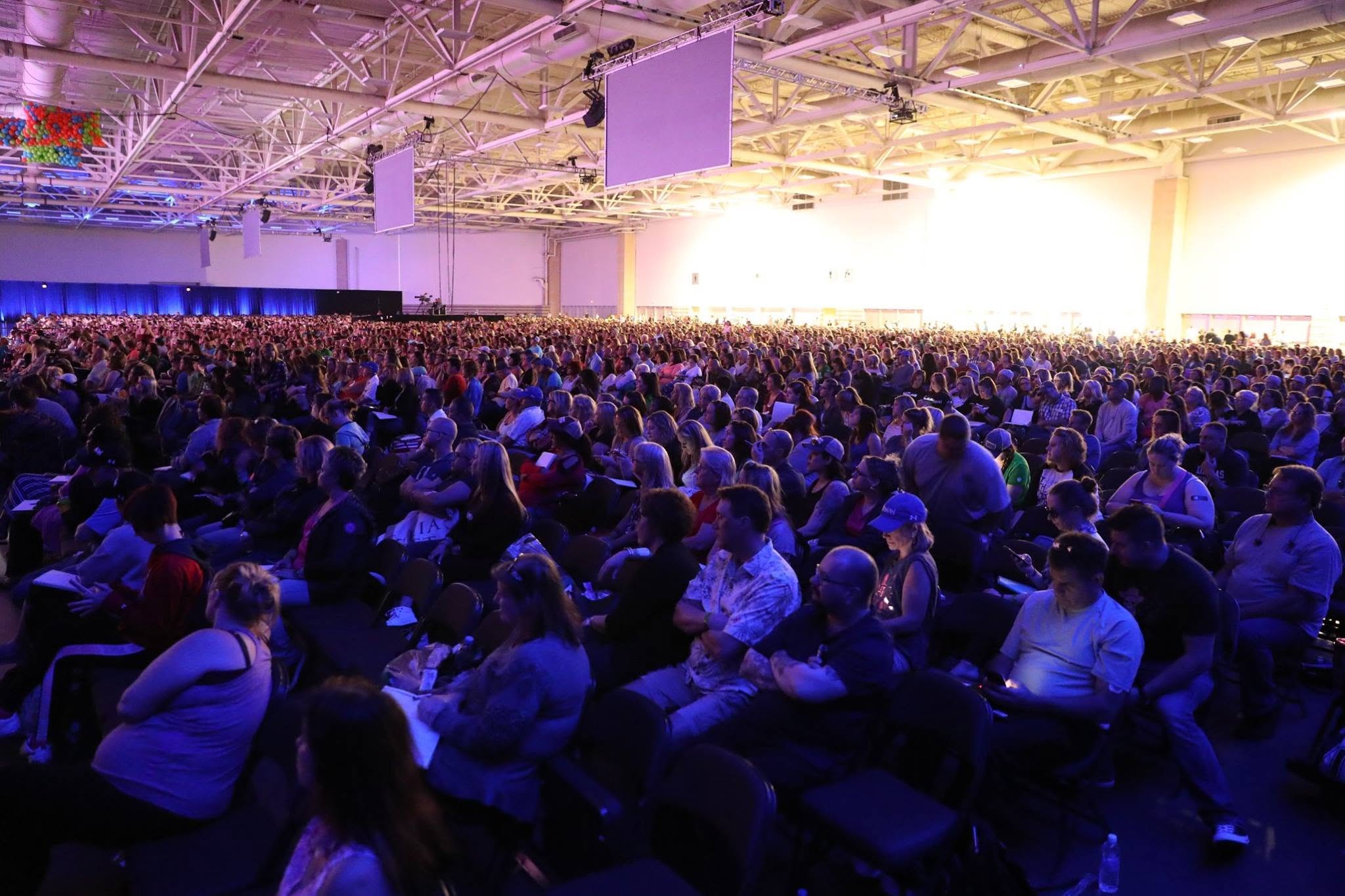

Sales kickoffs · Conventions · Leadership events · Associations
Keynote two · College & young adult
You Don’t Need a Five-Year Plan. You Need Five Options.
The same philosophy, aimed at people who are being asked a question nobody can actually answer.
Somewhere around eighteen, people start asking where you will be in five years. They never really stop. The question sounds like planning. It is mostly pressure, and it assumes a world that will hold still long enough for the plan to work.
Chris takes the pressure off first, because a room that is anxious is not listening. Then he puts something harder in its place. You do not need the destination, but you do need a direction, and you need to become someone worth betting on while you walk in it. Skills. Relationships. Reputation. Financial room to maneuver. The nerve to look slightly ridiculous while you learn.
This is not permission to drift, and it is not the advice to follow your passion and hope. Direction matters. Character matters. Movement matters most, because the destination usually only shows itself to people who are already walking.
The five options
What to build while you work it out.
Formats, either talk
- Keynote45 to 60 minutes, plus Q&A
- Short-form keynote20 to 30 minutes for a packed agenda
- Workshop75 to 90 minutes, interactive, smaller room
- Fireside or moderated Q&A30 to 45 minutes
- VirtualLive, not pre-recorded
Which room is yours?
Send the date, the audience, and what they have been through lately. He will tell you which talk fits and why.